Establish a stable local grid
A grid-forming source provides voltage and frequency references. Not every PCS supports grid-forming operation.
MG / Microgrids & off-grid
A controllable local grid that balances variable generation, storage, backup generation and diverse loads.
01 / Microgrids & off-grid
Start with your actual energy needs. These are design pathways; site conditions determine equipment, capacity and functions.
System configuration / 01
Coordinate with the grid in normal operation and isolate when designed to do so, managing buildings, PV, storage and generators.
Discuss this configurationValidate island transitions, resynchronisation and supply restoration as system functions.
02 / SYSTEM LOGIC
SYSTEM FLOW / CONCEPT
Explain the solution by operating state, not just equipment. The key questions: how it charges by day, supplies at night, and protects loads during local or citywide outages.
Serve loads first, charge surplus
Defines safe transfer
Use power by operating strategy
Day: solar serves loads first; surplus charges storage or exports where permitted.
Uses assessed local solar or wind resources.
Buffers variation and stores energy for later.
Establishes voltage and frequency in island mode.
Supports low-resource or high-demand periods.
Coordinates sources, priorities, transitions and recovery.
Functional overview · wiring, protection and equipment follow the project design.
A grid-forming source provides voltage and frequency references. Not every PCS supports grid-forming operation.
The controller allocates generation and storage, curtailing lower-priority loads when needed to preserve energy.
Schedule generators against battery state and forecasts, supported by fuel, spares and local operational capability.
Combine solar resource, prolonged low-generation periods and seasonal demand. Add wind only where resources and maintenance justify it.
Verify load steps, generator loss, communication failures and start sequence after a full outage; battery capacity alone cannot answer these.
Account for heat, dust, altitude, transport, fuel and local spares. Remote monitoring needs offline operation and recovery strategies.
Configuration & evidence
Weak-grid campus: connected & islanded Coordinate with the grid in normal operation and isolate when designed to do so, managing buildings, PV, storage and generators. PV + BESS + PCC transfer/protection + microgrid controller Validate island transitions, resynchronisation and supply restoration as system functions.
Remote communities: year-round off-grid Design around household and public-service loads, seasonal resources and acceptable energy-shortfall risk, with maintainable backup. PV + grid-forming converter + battery + backup generation + controls Year-round autonomy needs hourly or finer modelling, not just annual generation versus consumption.
Diesel-powered sites: reduce fuel use Integrate solar and storage with existing gensets, improving schedules and loading while respecting frequency, voltage and reverse-power limits. PV + storage + genset interfaces + hybrid controller Verify minimum genset load, start cycles, delivered fuel cost and service resources before estimating fuel savings.
Worst-season resource data: Combine solar resource, prolonged low-generation periods and seasonal demand. Add wind only where resources and maintenance justify it.
Dynamic stability & black start: Verify load steps, generator loss, communication failures and start sequence after a full outage; battery capacity alone cannot answer these.
Maintainable site conditions: Account for heat, dust, altitude, transport, fuel and local spares. Remote monitoring needs offline operation and recovery strategies.
SYSTEM FLOW / CONCEPT
Explain the solution by operating state, not just equipment. The key questions: how it charges by day, supplies at night, and protects loads during local or citywide outages.
Serve loads first, charge surplus
Defines safe transfer
Use power by operating strategy
Day: solar serves loads first; surplus charges storage or exports where permitted.
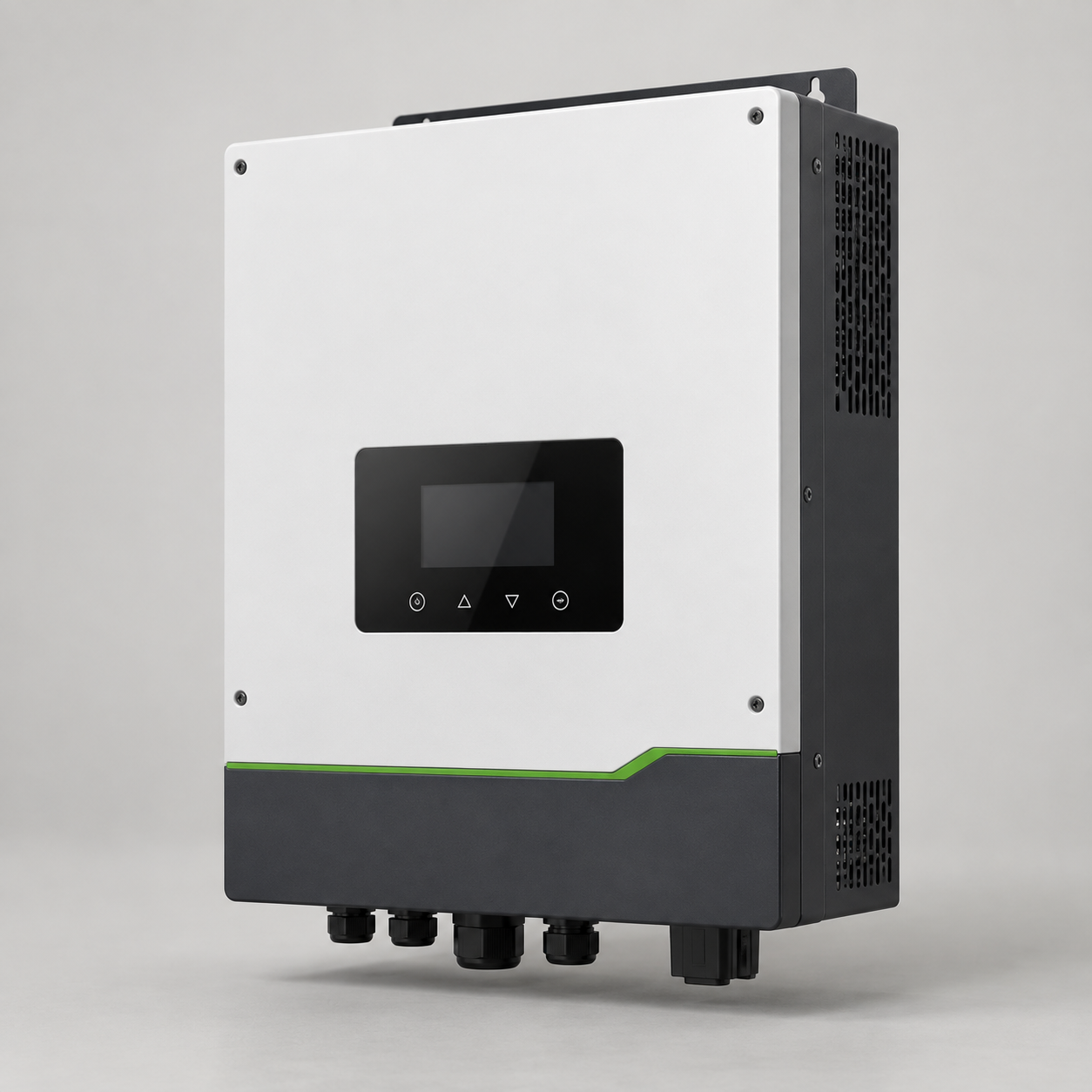
LoadStor / SMH Series
Integrated inverter and MPPT controller platform for homes and small off-grid systems, covering the 1.2–12 kW power range.
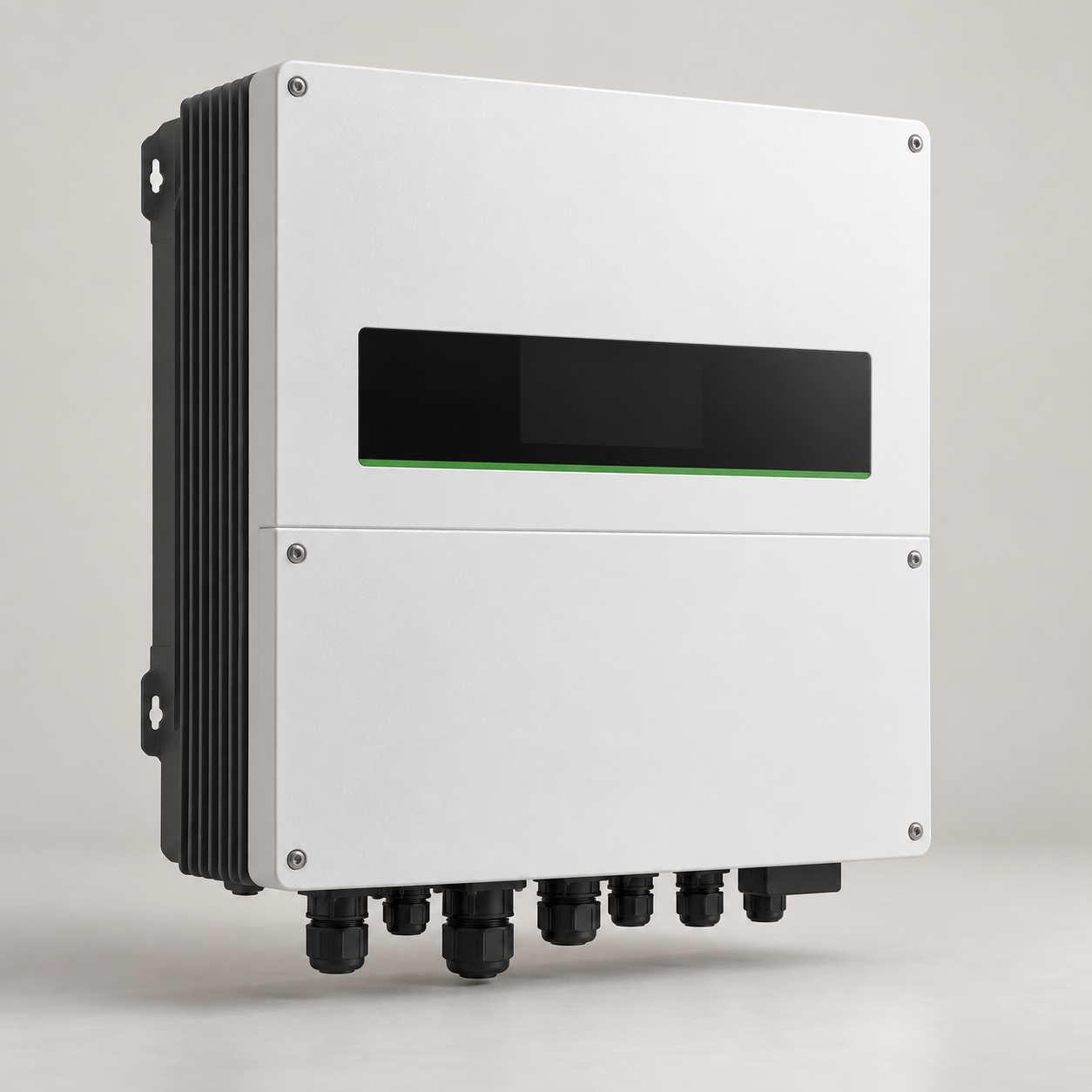
LoadStor / 10–15 kW Three-phase
10–15 kW storage inverters for three-phase grid-tied and off-grid applications, supporting 48 V batteries and dual MPPT inputs.
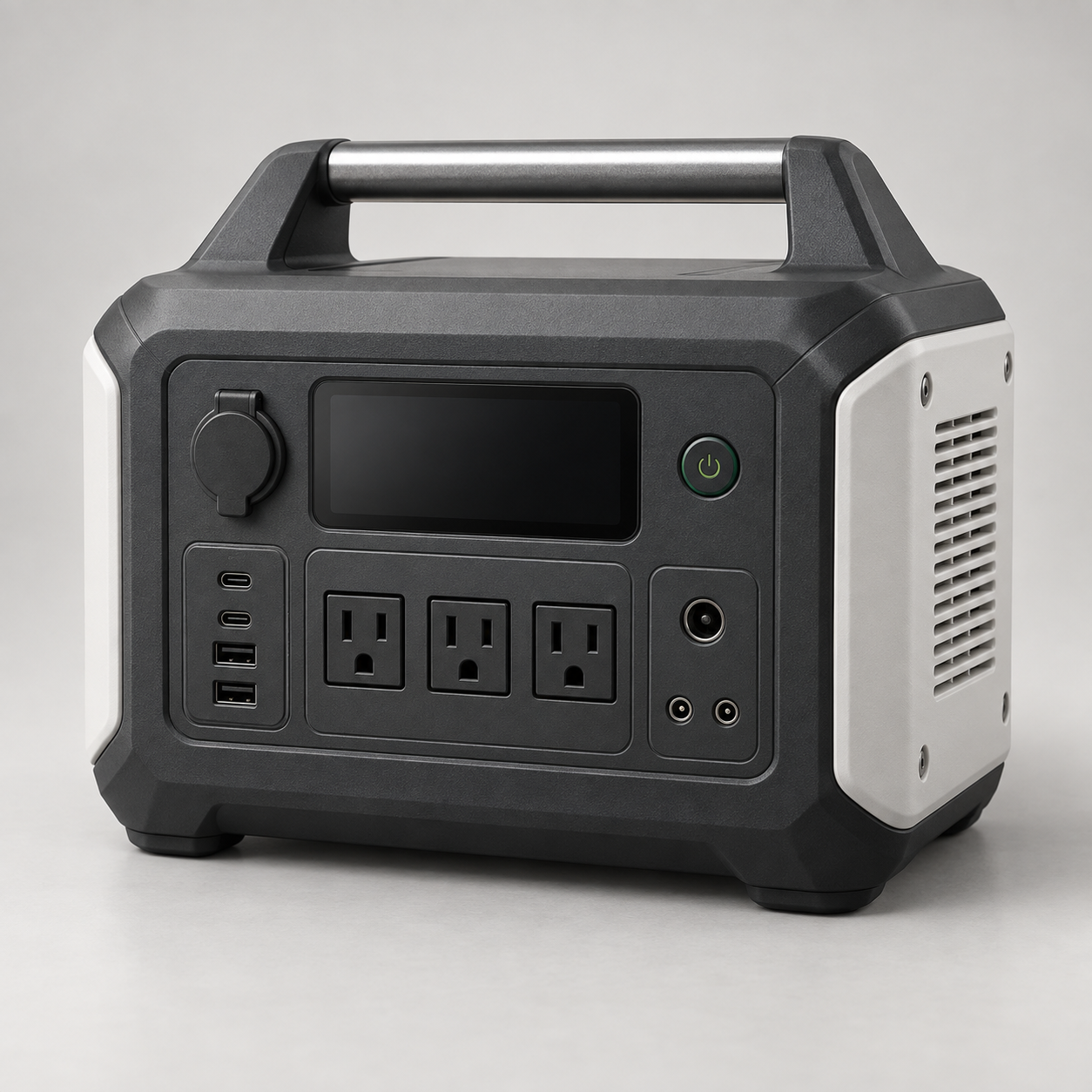
LoadStor / 300–1000 W Portable
Portable LFP power stations covering 300 W, 500 W and 1000 W, supporting AC and solar charging.
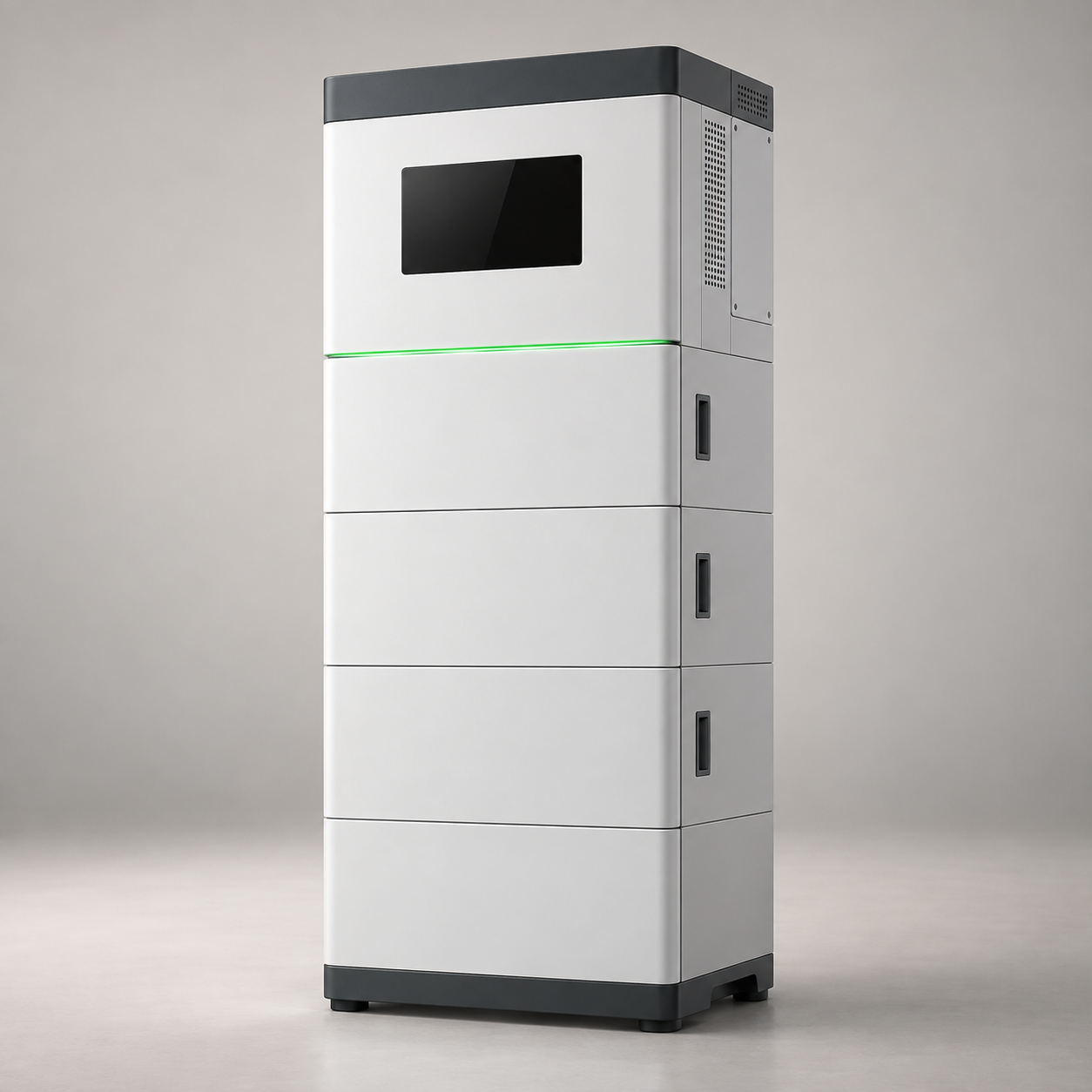
LoadStor / 6.5–12 kW All-in-one
51.2 V all-in-one storage systems for villas, off-grid homes and small commercial sites, covering 16–32 kWh capacity.
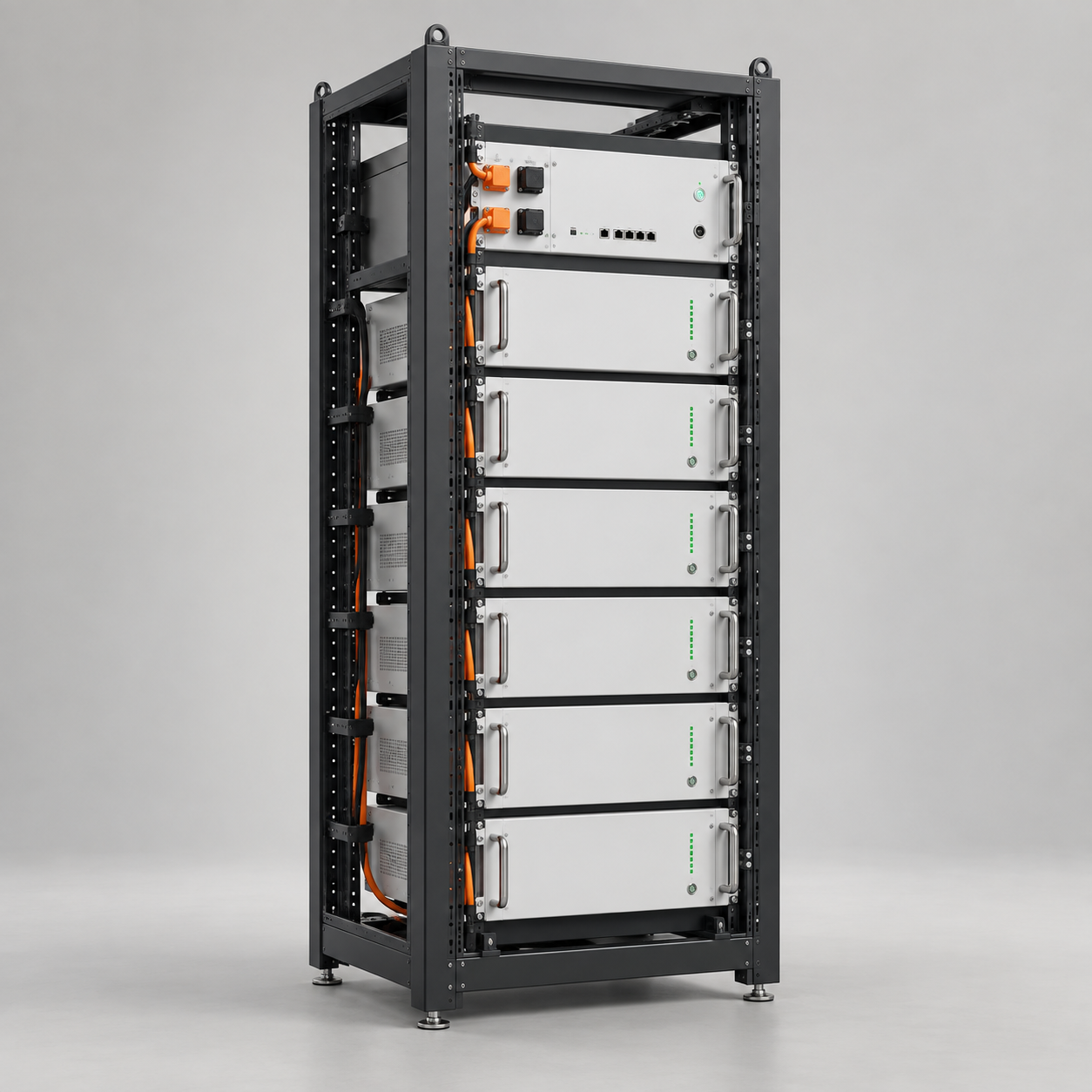
LoadStor / 204.8–716.8 V HV Rack
High-voltage rack-mounted storage batteries based on 280 Ah or 314 Ah cells, covering approximately 57–225 kWh.
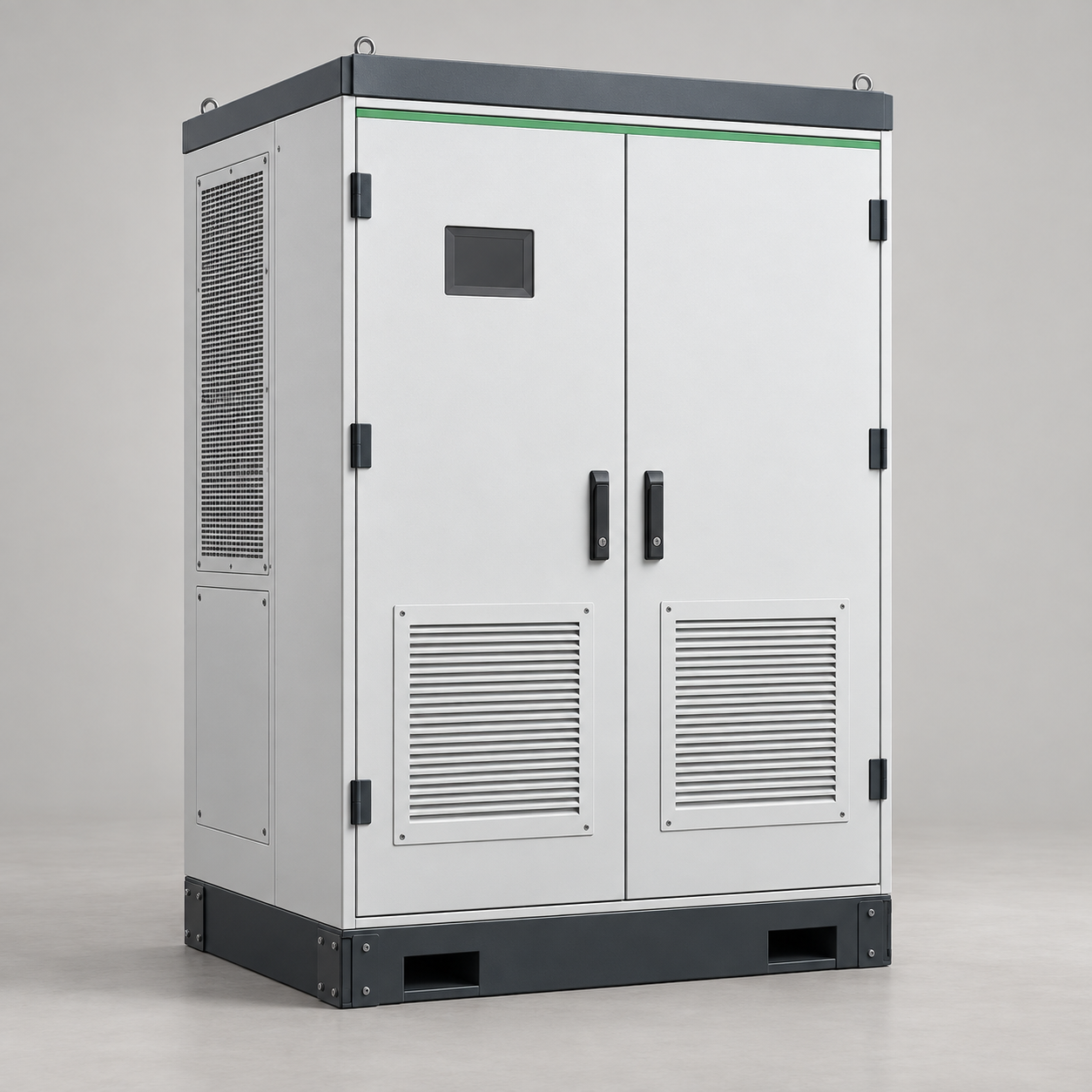
LoadStor / 64–241 kWh C&I ESS
C&I storage cabinets integrating high-voltage battery, BMS and PCS, covering 64–241 kWh energy levels.
LoadStor / DELIVERY
Record location, bills, loads, outages and expansion plans in a reviewable requirements brief.
Agree the single-line diagram, compatibility, sizing basis, operating strategy, scope and assumptions.
Test protection, communications, charge/discharge, backup transfer and recovery within the agreed scope; retain records.
Hand over as-built records, warranties, training, alarm procedures and maintenance plans; service scope is contract-specific.
05 / FAQ
No. A microgrid combines local sources, loads and coordinated controls. Select PV, wind, generators and storage according to the site.
Assess worst-season output, prolonged low solar and acceptable shortfall risk. Retaining smaller backup generation may be more practical than very large batteries.
Project intake
A concise brief is enough. Your submission is stored securely and assigned a reference ID for follow-up.